Eating well through treatment: how nutrition supports your body alongside cancer care
Nutrition won't treat your cancer — but it can help you stay stronger, tolerate treatment better, and recover well. Here's how I think about food during and after treatment, always alongside your medical team.
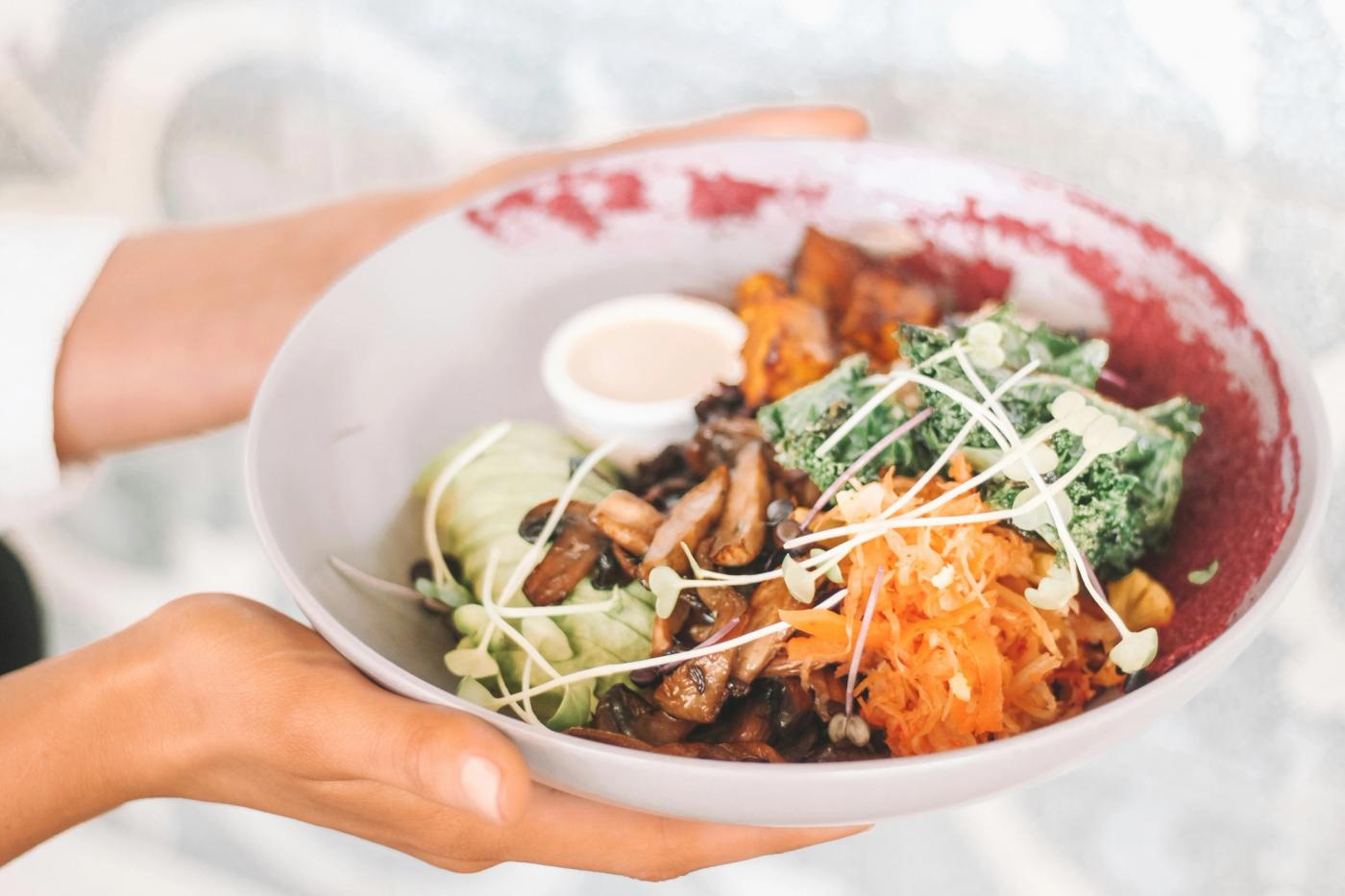
When you're first diagnosed, the nutrition advice online can feel like a tidal wave — conflicting, frightening, and often promising things food simply can't deliver. Most people arrive at my clinic overwhelmed. So I like to start somewhere calm and sensible. As the writer Michael Pollan put it: “Eat food. Not too much. Mostly plants.” It's a humble place to begin, and a surprisingly good one.
Before anything else, the most important thing to know: nutrition works alongside your oncology care, not instead of it. Nothing on this page is a treatment for cancer. What good nutrition can do is support your body so it's in the best possible shape to get through treatment and recover afterwards.
Why food matters more during treatment, not less
It's common to lose your appetite, your sense of taste, or your ability to eat comfortably during treatment. The problem is that this is exactly when your body's needs go up. Cancer and its treatments can increase the body's energy and protein requirements, while side effects like nausea, mouth soreness and fatigue make eating harder.
Left unaddressed, this can tip into malnutrition and muscle loss — and that matters, because keeping your weight and muscle stores up helps you stay strong, tolerate treatment, and recover faster. Australian clinical guidance (the Clinical Oncology Society of Australia's position statement on cancer-related malnutrition and sarcopenia) recognises that getting enough energy and protein is central to managing this, and that good nutrition support is linked to fewer treatment interruptions and unplanned hospital admissions.
The gut, the microbiome and your treatment
One of the most interesting areas of recent research is the role of the gut microbiome — the trillions of bacteria living in your digestive system. A more diverse gut microbiome has been associated, in a growing number of studies, with better outcomes for people receiving certain cancer immunotherapies, and fibre-rich, plant-forward eating is one of the things that supports that diversity. When gut bacteria ferment fibre, they produce short-chain fatty acids that help nourish the gut lining and support the immune system.
This is promising science, not a magic lever — and an important caution comes with it: don't reach for over-the-counter probiotic supplements during immunotherapy without checking with your oncology team. Some studies have linked unsupervised probiotic use during immunotherapy with poorer outcomes. This is a good example of why “natural” and “helpful” aren't always the same thing, and why timing and individual circumstances matter.
What I'd love you to take away
- Food doesn't treat cancer — but it helps your body cope and recover, alongside your medical care.
- Protein and enough energy are the priorities during treatment.
- A fibre-rich, plant-forward way of eating supports your gut and immune system.
- Check any supplements with your oncology team before starting them.
- When eating is hard, “something nourishing” beats “nothing at all.”
If you'd like support tailored to your treatment and your life, that's exactly what I do — gently, and in step with your medical team. Book a consult.
References
Kiss N, Loeliger J, Findlay M, et al. Clinical Oncology Society of Australia: Position statement on cancer-related malnutrition and sarcopenia. Nutrition & Dietetics, 2020. · Cancer Council Australia, Nutrition and cancer — managing weight loss during treatment (reviewed 2025). · The Oncologist, A rapid review of nutrition and exercise approaches to managing weight loss, muscle loss and malnutrition in cancer, 2025. · Current Oncology Reports, Role of the microbiome and diet for response to cancer checkpoint immunotherapy, 2024–25. · Journal of Translational Medicine, Gut microbiome changes and cancer immunotherapy outcomes associated with dietary interventions, 2025.

Written by
Michelle Snowsill
ANTA-Accredited Clinical Nutritionist, with advanced training in integrative and nutritional cancer care.
Disclaimer
This article is general information for education only. It is not medical advice and is not a substitute for care from your doctor or oncology team. Nutritional support is intended to complement — never replace — conventional medical treatment. Always speak with your treating team before making changes to your care. Herlistic Nutrition does not diagnose, treat or cure any disease.