Turmeric isn't just a spice: the science of curcumin in cancer care
Curcumin, the active compound in turmeric, is one of the most studied phytochemicals in integrative oncology — but bioavailability and safety both matter as much as the promising lab evidence.
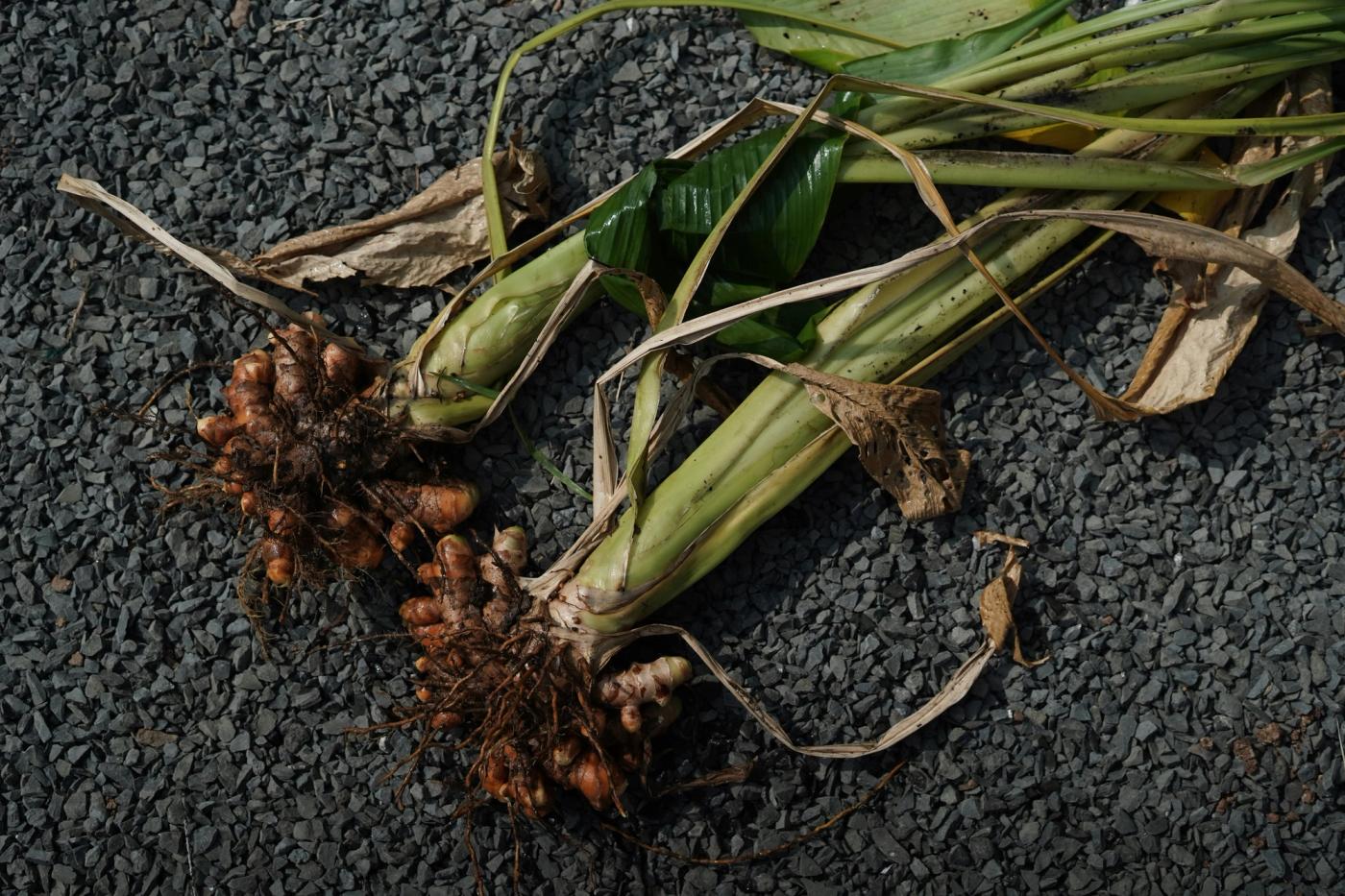
Turmeric isn't just a spice. Curcumin, its active compound, has demonstrated broad anti-cancer activity in laboratory research and is one of the most pleiotropic phytochemicals studied in integrative oncology. It can influence multiple pathways involved in cancer development and progression — including inflammation, oxidative stress, epigenetic regulation, DNA damage, cell proliferation, angiogenesis, invasion and metastasis.
Curcumin has also been shown to promote cell-cycle arrest and apoptosis (programmed cell death), while modulating signalling pathways such as NF-κB, PI3K/Akt/mTOR, MAPK, STAT3 and EGFR. It may also inhibit VEGF-driven angiogenesis, matrix metalloproteinases and other mechanisms involved in tumour invasion, while influencing cancer stem-cell behaviour.
Human clinical evidence is more limited than the laboratory evidence, so curcumin is best viewed as a potential adjunct to conventional cancer care — never as a cancer treatment in itself.
Why bioavailability matters
On its own, curcumin is poorly absorbed by the body. For it to have any meaningful effect, it generally needs to be taken in a liposomal form designed to improve absorption — a plain turmeric-powder capsule or a pinch of spice in cooking won't get you there.
When to be cautious
There are a handful of settings where curcumin is contraindicated, which is exactly why it should always be used under the guidance of a practitioner qualified to oversee it. It should be avoided, or used only under qualified clinical supervision, in situations such as:
- Biliary obstruction or jaundice
- Iron-deficiency anaemia, as curcumin may interfere with iron absorption
- Low platelet counts or increased bleeding risk, due to potential antiplatelet effects
- Around surgery, particularly where bleeding risk is a concern
- Alongside certain medications, particularly anticoagulants and antiplatelet drugs
What I'd love you to take away
- Curcumin shows broad, well-studied activity against cancer-related pathways in the lab.
- Human clinical evidence is still catching up — think adjunct, not treatment.
- Poor bioavailability means it needs to be in liposomal form to matter.
- It's contraindicated in several situations, including bleeding risk, anaemia and around surgery.
- Always use it under the guidance of a qualified practitioner — especially alongside oncology treatment.
If you're curious whether curcumin has a place in your care, I'd love to help you weigh it up alongside your treatment team. Book a consult.
References

Written by
Michelle Snowsill
ANTA-Accredited Clinical Nutritionist, with advanced training in integrative and nutritional cancer care.
Disclaimer
This article is general information for education only. It is not medical advice and is not a substitute for care from your doctor or oncology team. Nutritional support is intended to complement — never replace — conventional medical treatment. Always speak with your treating team before making changes to your care. Herlistic Nutrition does not diagnose, treat or cure any disease.