Cauliflower, Parsnip & White Bean Soup
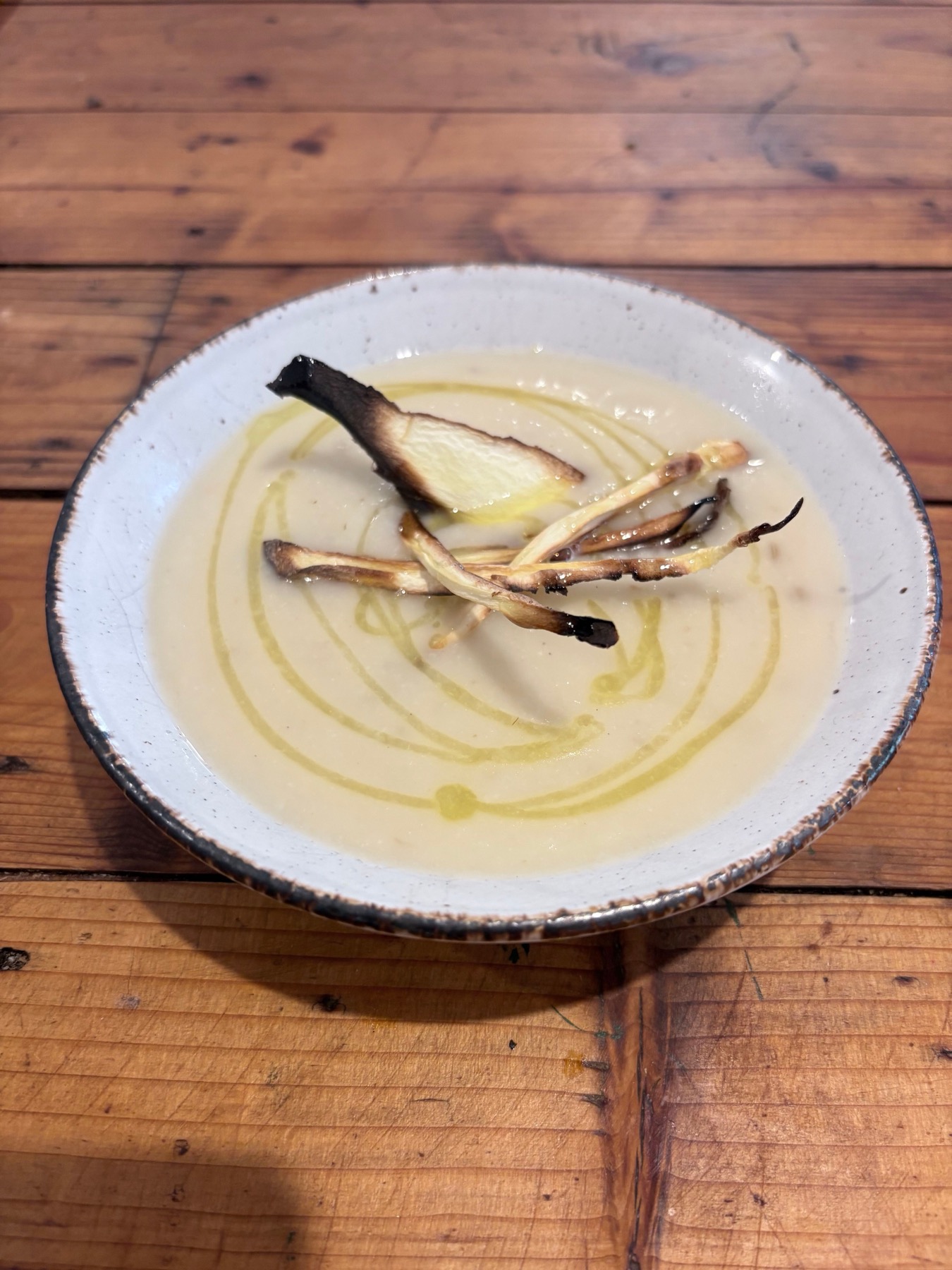
A silky, warming bowl finished with crispy parsnip chips.
Ingredients
- 1 onion, chopped
- 2 cloves garlic
- 1 Tbsp butter
- 1 tsp fennel seeds
- ½ head cauliflower, cut into florets
- 1 large parsnip
- 1 tin organic cannellini beans (for convenience)
- 750ml vegetable stock
- Salt and pepper, to taste
- A drizzle of extra virgin olive oil, to serve
Method
- 1Sauté the onion with the butter in a medium-sized pot until translucent. Add the chopped garlic and fennel seeds and sauté for another minute.
- 2Add the chopped parsnip, cauliflower florets and stock. Cook until tender.
- 3Add the white beans, salt and pepper.
- 4Blend until smooth, adding a little water if the soup is too thick.
- 5Serve with crispy parsnip chips (air-fryer or grill) and a drizzle of extra virgin olive oil.
Tip
If beans cause bloating, start with a small portion and increase gradually. Rinsing canned cannellini beans thoroughly can also help reduce phytic acid and improve tolerance. I generally prefer to use dried whole beans, soaked overnight and cooked thoroughly, to avoid unnecessary exposure to BPAs.
Why it’s good for you
Cauliflower is high in fibre and vitamin C. It's also a member of the brassica family, alongside broccoli, cabbage, kale, brussels sprouts and bok choy. These vegetables are particularly valued for their glucosinolates — plant compounds that can be converted into bioactive compounds such as sulforaphane and indole-3-carbinol, which influence oestrogen metabolism and the clearance of oestrogen metabolites.
Cannellini beans are a vegetarian protein and a prebiotic fibre particularly high in galacto-oligosaccharides (GOS) — one of the most important prebiotic carbohydrates in legumes. GOS are fermented by gut bacteria and can support beneficial species such as Bifidobacterium.
They also provide resistant starch (RS), particularly once the beans are cooked and then cooled. RS escapes digestion in the small intestine and reaches the colon, where bacteria ferment it into short-chain fatty acids (SCFAs), including butyrate — fuel for the colonocytes that helps strengthen the intestinal barrier.
I do prefer to buy dried beans and legumes wherever possible to avoid BPA's. Dried legumes do need to be prepared well, soaking overnight and cooked well to remove phytic acid - an anti-nutrient found in legumes and nuts that binds to minerals like iron, zinc and calcium. But let's face it — often we need convenience, just need a quick, nutritious and easy meal.

Recipe by
Michelle Snowsill